Hawaii Bird Conservation Marathon
Race Day Weather

Warm, possible light rain
Runners will face temperatures starting at 75°F, climbing to 82°F, with high humidity at 84% and a dew point of 73°F. A light headwind may be felt, but max wind speeds are only 9 mph. Given the heat and humidity, it's advisable to start conservatively and hydrate frequently, especially with a chance of light rain.


Pace Calculator
Enter a finish time to see what race day does to it.
Get forecast alerts for Hawaii Bird Conservation Marathon
We'll text or email you when the forecast shifts — so you can adjust gear, pacing, and strategy. Max one per day.
Race Info
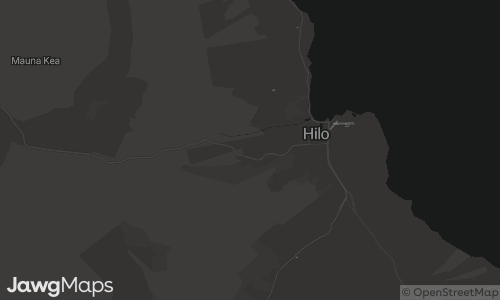
This beautiful USATF certified course is all downhill except for a few gently rolling uphill sections at the beginning of the course. During the first 3 miles, the course is through the Volcano Golf subdivision and turns right onto Highway 11 as it passes through Hawai‘i Volcanoes National Park. For the first 18 miles the course is surrounded by a mixture of original Hawaiian hapu‘u & ʻōhiʻa rainforest, residential and agricultural land. The Start on a clear day offers a spectacular view of Hawai‘i’s highest volcanoes, Mauna Loa and Mauna Kea, and during the first few miles runners will experience the dawn chorus of many Hawaiian endemic birds that may include the Apapane, Hawai‘i Amakihi, I‘iwi (all three are Hawaiian Honeycreepers), Oma‘o (Hawaiian Thrush), and Hawai‘i Elepaio (a monarch flycatcher). As you run, keep your eyes open for the Nene (Hawaiian Goose) and the ‘Io (Hawaiian Hawk), both endangered Hawaiian endemic species. After Volcano at Mile 7.67, the race continues downhill along Highway 11 until Mile 26.09 when runners turn left into Herbert Shipman Park with the Finish on the grass field next to the parking lot for the Armory. Source